
 Grow a Garden · Values
Grow a Garden Mutation Value Strategy
Learn how base crop value, weight, growth variants and mutation multipliers affect a useful value estimate.
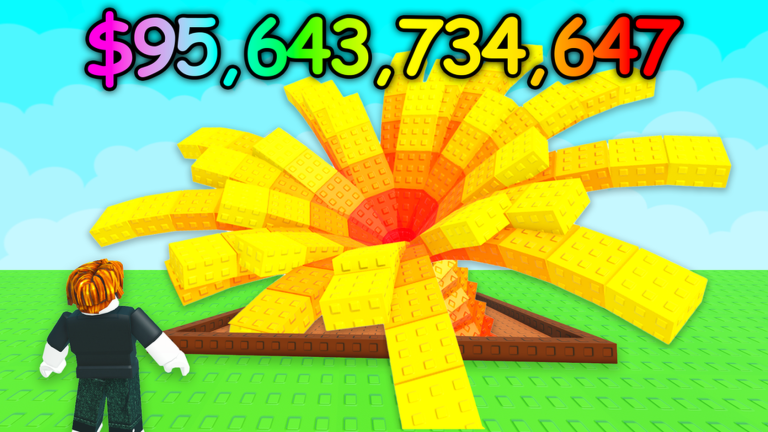
A spectacular mutation stack can produce a large headline number, but the number only helps when its inputs match the crop in front of you. Start with the crop’s base reference, record weight or size separately, and then apply only the variants that are actually present.
This workflow is designed for comparing crops and planning trades. It does not predict a future patch, a private-server price or what another player must accept.
The useful version in one minute
Separate base value from every multiplier.
Record the exact mutation stack instead of guessing from appearance.
Compare both value and demand before trading.
Recheck unusual results for duplicate multipliers.
Build the value from the base upward
The base crop value is the anchor. Weight, growth variants and mutations change that anchor, so using an already-modified value as the base can multiply the same effect twice.
Enter a plain reference first, then add one verified layer at a time. Watching the result after each change makes an incorrect multiplier easier to identify.
- Confirm the crop and variant name.
- Use the same unit on every comparison.
- Keep event bonuses separate from permanent traits.
Why trade value can differ from sell value
A sell calculation models what a crop may return under the selected rules. A player trade also reflects availability, current demand, collection goals and how quickly an item can be moved again.
Treat demand as a separate signal. A slightly lower numerical offer can still be easier to trade, while a rare-looking crop can be difficult to move if interest has shifted.
Run scenarios instead of chasing one perfect number
Calculate a conservative case, your expected case and an optimistic case. The range shows how sensitive the result is to uncertain weight or event effects.
If the offers only look fair in the optimistic case, the trade has more downside than the headline total suggests.
How to apply this Grow a Garden guide with confidence
Grow a Garden decisions are easiest to understand when the crop, current weight, growth variant, attached mutations and the purpose of the calculation are recorded separately. A display value can be useful without being a guaranteed trade price, because player demand and event availability may move faster than a static reference table. Keep the calculator result, the live trade offer and your personal collection goal as three different pieces of information.
A strong value and probability analysis workflow does more than produce a number. It preserves the inputs, explains the tradeoff and gives you a repeatable check when the game, your inventory or your goal changes. Use the sections below as a working notebook for Grow a Garden Mutation Value Strategy, and update the baseline whenever new evidence replaces an assumption.
01 Establish a reliable baseline
For a repeatable comparison, record the same crop at its unmodified base state before adding weight or mutation effects. Compare one change at a time and keep screenshots of unusual combinations. This makes it possible to see whether a surprising result comes from the base crop, the weight curve, a growth variant or stacked mutation assumptions rather than accepting one large number without an explanation.
Before entering anything, copy the relevant values exactly as the game displays them. Include the mode, platform, version and any active boosts or variants that can change the outcome. Save the first result before experimenting. That untouched baseline gives every later comparison a stable reference and makes input mistakes much easier to spot.
When a value is unknown, label it as an estimate and test a low and high case. Do not hide uncertainty behind extra decimal places. A transparent range is more useful than a precise-looking answer built from an unsupported assumption.
02 Compare options instead of chasing one score
Separate known inputs from estimated multipliers or probabilities and display how each contributes to the result. Compare a conservative, expected and optimistic case when the underlying value is community-driven or random. This makes the uncertainty visible without making the calculator less useful.
Create at least two realistic alternatives: the plan you can execute with current resources and the upgrade you are considering. Change one important input at a time, then write down what improved and what became worse. This prevents several simultaneous changes from receiving credit for the same improvement.
Look beyond the headline total. Time, reversibility, resource cost, risk and personal goals can change which option is actually better. The calculator provides structure for that decision; it does not remove the need to read the live game state.
03 Avoid the mistakes that create misleading answers
Expected value is frequently confused with a guaranteed outcome, while stacked multipliers are sometimes added when the game multiplies them or multiplied when the game uses another rule. Preserve the formula, source and date. If the stacking behavior is unknown, show more than one scenario instead of choosing silently.
Also check units and naming. Levels are not always total experience, percentages are not always multipliers, and two similarly named items may be different variants. If the result looks dramatically different from the game, assume an input or rule mismatch first. Re-enter the smallest possible example and confirm each step before restoring the full scenario.
Do not average incompatible sources merely to make them agree. Prefer the newest authoritative source for fixed mechanics and clearly dated community evidence for player-driven markets. Record which source supports each change so an update can be corrected without rebuilding the guide from memory.
04 Recheck the plan after updates
After an update, confirm newly added crops, renamed mutations, multiplier changes and event availability in the live game before relying on an older plan. Community lists can help locate a change, but the game state and clearly dated evidence should decide whether the reference needs revision. Recalculate saved examples whenever one of their ingredients changes.
Run a short control test after a major patch, season change or balance update. Use the same inputs as a saved baseline and compare the result with the current game. If the difference is repeatable, identify the smallest rule that explains it and update only that assumption. This is faster and safer than replacing every value at once.
Pay attention to dates on guides, videos and spreadsheets. A popular result can still describe an older version. When official notes are incomplete, mark the finding as observed and keep the test conditions visible until several independent repetitions support a firmer conclusion.
05 Work through a practical scenario
Imagine two crops that show similar estimated value. One has a desirable limited mutation while the other reaches the number mostly through weight. A collector may prefer the limited combination, while a player optimizing garden income may care more about a repeatable crop. The useful answer therefore includes both the numeric estimate and the reason that estimate matters for the current goal.
Start the worked example with the current state, not the desired result. Enter the baseline, duplicate it as a second scenario and modify only the decision being tested. Compare the difference, calculate the cost of the change and ask what would make the choice fail. If the plan still works under a conservative assumption, it is more likely to survive normal gameplay variation.
The result is successful when another player can reproduce the inputs, understand the uncertainty and use the range to make a bounded decision. A correct answer may be to wait, gather more evidence or stop after a planned number of attempts rather than chase the highest theoretical result.
Final two-minute review
- Are the game mode, version, platform and important variants recorded?
- Did you preserve the original baseline before changing inputs?
- Is every estimate labeled and tested as a range?
- Did you compare the complete cost, risk and usefulness of each option?
- Can you explain what new evidence would change the recommendation?
Grow a Garden checklist
Work through the list in order, then revisit the assumptions that changed.
- 1Verify the crop name and base reference.
- 2Write down weight, growth and each mutation.
- 3Remove multipliers that are not visibly confirmed.
- 4Compare the calculated total with current demand.
- 5Test a conservative scenario.
- 6Save or share the input list before accepting a trade.
Grow a Garden calculator FAQs
Clear answers about calculations, data, independence, privacy and practical use.
Do Grow a Garden mutations add or multiply?
The answer depends on the game’s current rules and the specific effect. The calculator exposes each multiplier so you can model the verified behavior without hiding the assumption.
Why is my in-game sell value different?
A missing event bonus, changed game rule, weight assumption or duplicated multiplier can move the result. Re-enter the crop one layer at a time.
Is the highest crop value always the best trade?
No. Demand, availability and how easy the crop is to retrade matter alongside the numerical total.
Can I use this for event crops?
Yes, if you enter a current base reference and only the event effects actually active in your situation.
Related calculators
Value Calculator
Calculate crop sell value using weight, growth and mutation multipliers.
Trade Calculator
Compare multi-item garden trades and see the value gap instantly.
Grow a Garden Mutation Calculator
Stack growth and mutation multipliers to estimate a crop value range.
Grow a Garden Profit Calculator
Calculate profit, margin, payback harvests and return on seed cost.